
How to care for your scar after stitching? Here's the best tips!
- Scar Management
- BapScarCare
- 26 Sept 2024
-
views
1012
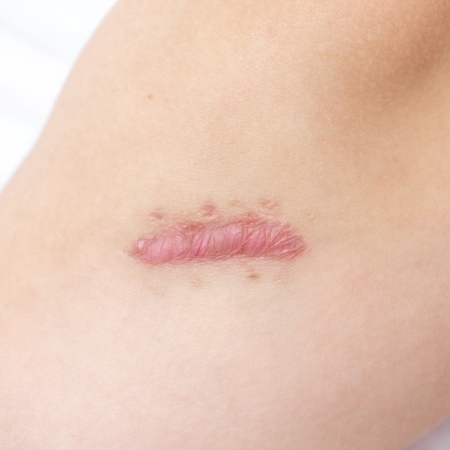
Suppose you have undergone surgery, where your wound had to be stitched. After the stitches are removed, the wound remains and often a scar remains. In this blog, we explain how to optimally care for your wound and scar after stitching so that you have minimal complaints.
Caring for a sutured wound
Suppose you have undergone surgery, where your wound had to be stitched. After the stitches are removed, the wound remains and often a scar remains. In this blog, we explain how to optimally care for your wound and scar after stitching so that you have minimal complaints.
The First 24–48 Hours After Stitching
During the first two days, keep your stitched wound clean and dry. Dirt can cause infection and delay healing.
- If the wound is still weeping or bleeding, cover it with a plaster or gauze bandage. This protects the wound from friction and contamination.
- Change the bandage daily, or whenever it gets wet or dirty.
- Avoid tension or stretching at the stitched area. If it’s on a joint (like a knee or elbow), limit movement and avoid strenuous activity.
After 48 Hours
Once the first 24–48 hours have passed:
- Gently wash the wound with mild soap and water.
- Pat the area dry with a clean towel — dab, don’t rub.
- Watch for signs of infection: redness, swelling, heat, pus, or increasing pain. If you spot any, contact your GP.
- Don’t pick or pull at your stitches.
When Are Stitches Removed?
Stitches are usually removed after 1 to 2 weeks, depending on the location and how well the wound is healing. Once they’re out, you can slowly resume normal daily activities.
How Stitches Affect Scar Formation
Stitches promote better wound healing and can reduce the risk of hypertrophic scarring by:
- Keeping wound edges neatly closed
- Minimising tension on the skin
However, poorly placed or tight stitches can:
- Restrict blood flow and slow healing
- Cause irritation and increase the risk of infection
- Result in more prominent or abnormal scars
Proper stitching technique and wound care are essential for the best cosmetic outcome.
Scar Care After Stitch Removal
Once your stitches are removed or dissolve, your skin continues to heal by forming scar tissue. This new skin is more vulnerable and loses moisture more easily than healthy skin.
Providing extra care in the first 3 to 6 months can make a real difference. While you can’t completely prevent a scar, the following tips can help improve its appearance and reduce discomfort.
Protect Your Scar from the Sun
In the first 6 weeks, avoid exposing your scar to sunlight. New skin is sensitive and more prone to:
- Hyperpigmentation (darker patches)
- Sunburn and damage
Use a broad-spectrum SPF-30 or higher sunscreen.
Tip: ALHYDRAN SPF-30 is ideal for sensitive skin and fresh scars.
Keep It Clean and Monitor for Infection
- Use clean bandages or sterile gauze if needed
- Always follow your GP’s recommendations
Prevent Moisture Loss with Silicone Therapy
Silicone scar sheets or silicone gel create a protective layer that:
- Maintains skin moisture balance
- Promotes better healing
- Helps flatten and soften the scar
Use silicone therapy while your scar is still red or active, as this is the healing phase when treatment has the most impact.
Benefits of Silicone Therapy
Silicone products help relieve several common scar complaints:
- Itching
- Pain or tightness
- Dryness
- Redness
These symptoms may indicate early stages of hypertrophic or keloid scarring. If you’re unsure, always consult your GP or dermatologist.
Silicone sheets or gel can also support the healing of hypertrophic or keloid scars, but additional treatment may be needed.
Final Tip
Early, consistent scar care after stitches can significantly improve your skin’s appearance and comfort. Consider incorporating silicone scar products into your daily routine — and always protect your scar from the sun.