Clothe Your Skin with Care: Dermasilk's Impact on Sensitive Skin Conditions
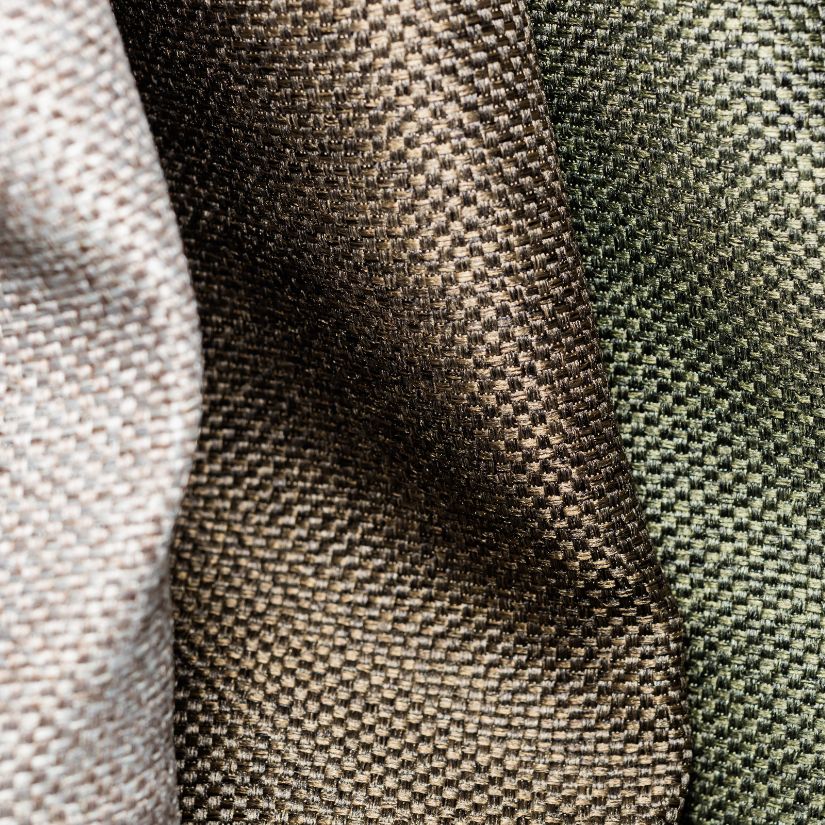
When it comes to fabrics, they broadly fall into two categories: synthetic and natural. Each has its characteristics, and these differences can significantly impact sensitive skin.
1. Synthetic vs Natural Fabrics
Can your clothing choice affect sensitive skin? Absolutely! While creams and sometimes steroids are go-to treatments, what you wear matters too. Let's break it down:
Synthetic Fabrics
Synthetic fabrics, like polyester or nylon, are man-made. While they often offer durability and moisture-wicking properties, they can also trap heat and reduce breathability. For individuals with sensitive skin, these fabrics might lead to increased sweating and potential irritation due to the lack of natural airflow.
Natural Fabrics
Natural fabrics, on the other hand, come from natural sources such as plants or animals. Cotton and linen are plant-derived, while wool and silk are animal-derived.
2. Cotton Concerns
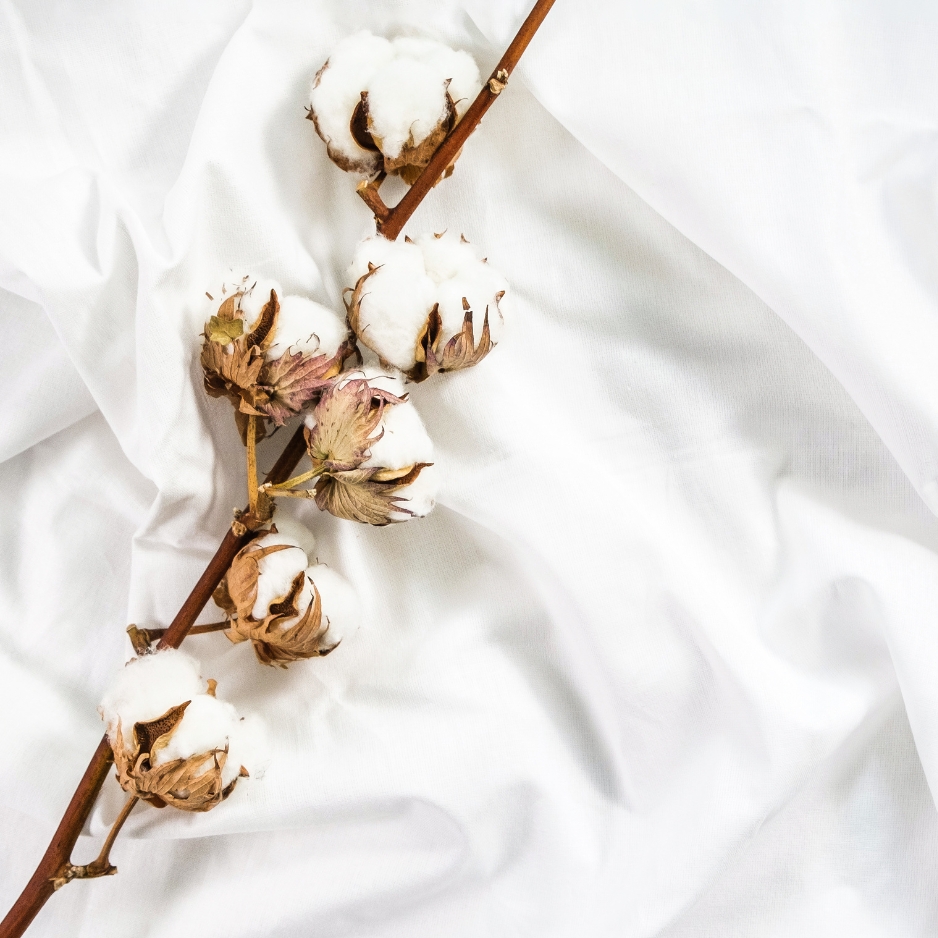
Common for conditions like eczema, but no evidence backs it. It is relatively soft but is prone to bacterial attack and has a crucial flaw in its structure as its many short (1-3cm) fibres with flat irregular sections can irritate the skin. Temperature regulation can often be a major issue with atopic skin with those overheating and sweating. Damp cotton fibres within the thread extend and contract as they absorb moisture producing an abrasive rubbing movement that may irritate the skin.
3. Silk Insights
Silk is made up of a double filament of a protein called fibroin, glues together with a sticky substance called sericin. Each silk thread is up to 800 metres long, producing a perfectly smooth friction free fabric. However, there are 3 reasons not to use ‘High Street’ silk clothes on sensitive skin.
First, they are made from a very tightly woven fabric which restricts the movement of air through it.
Second, the sericin in pure silk has been linked to allergic reactions. This is why surgical silk, used in sutures utilises only the fibroin component of silk.
Finally, silk acts as a natural food source for bacteria so unprotected silk is a definite ‘no-no’ when it comes to atopic skin.
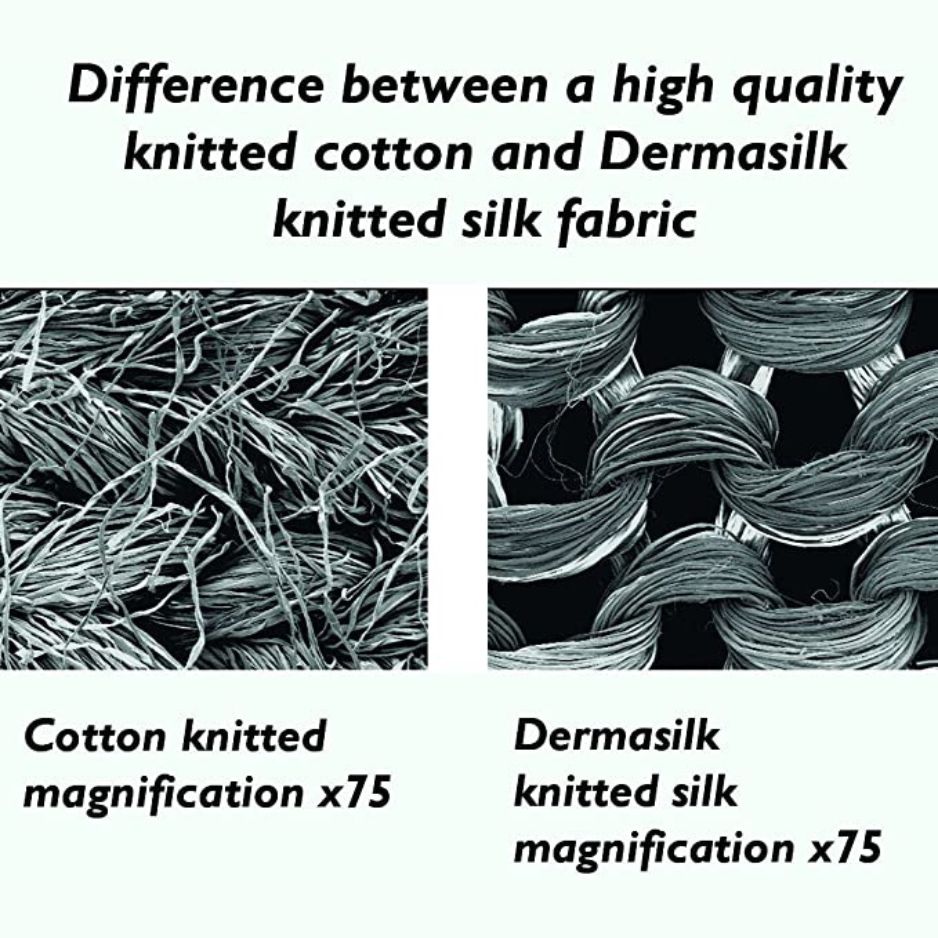
4. Introducing Dermasilk

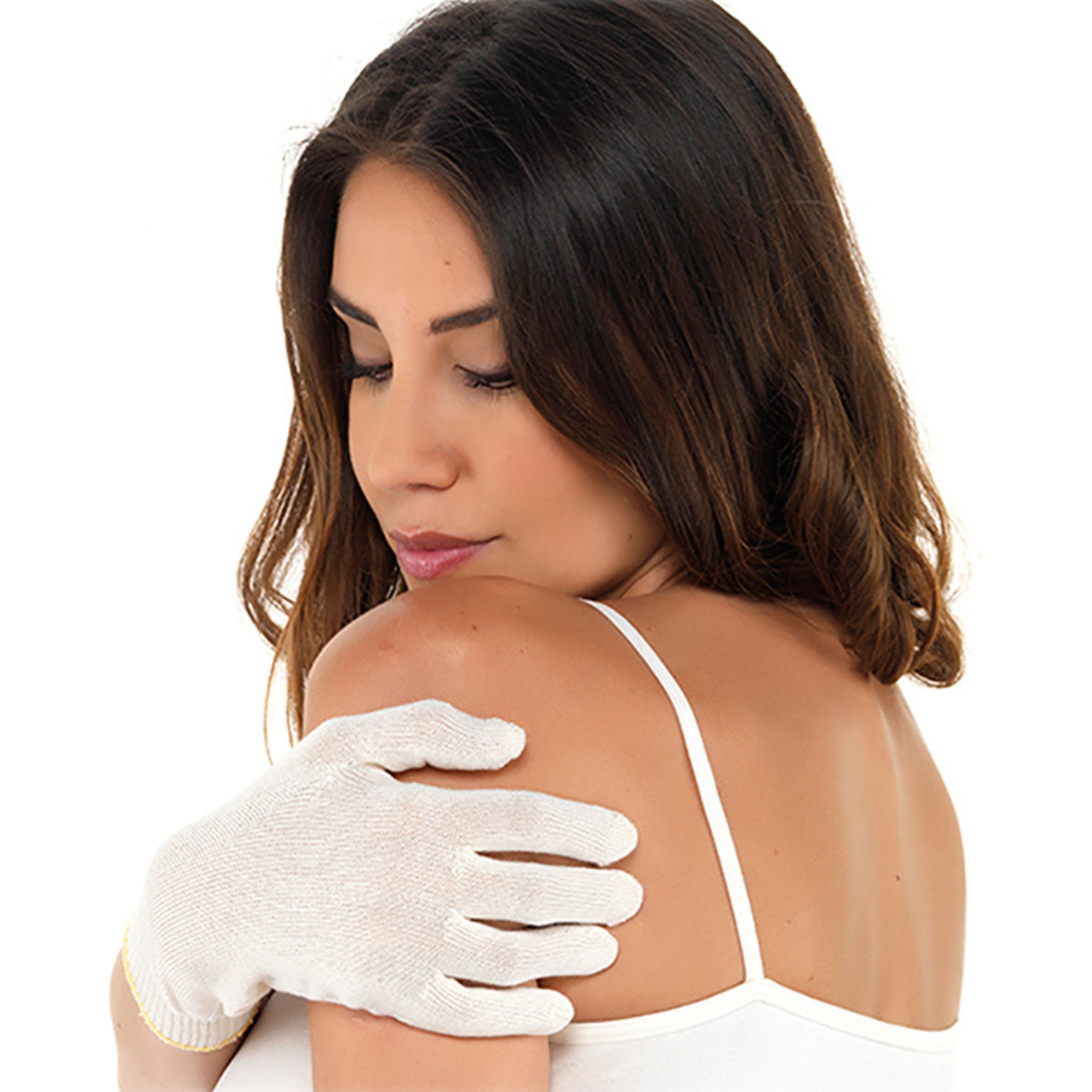
DermaSilk is made from knitted sericin-free silk. This ensures that it is hypo-allergenic, and the knit of the fabric allows air and moisture to pass through it. It also has a greater ability to absorb and disperse moisture than cotton, making it a natural candidate for an atopic friendly fabric.
Finally, the incorporation of an ‘antimicrobial shield’ permanently bonded to the fabric protects the silk from antimicrobial attack.
In conclusion, DermaSilk stands out as a wise choice for sensitive skin. It addresses common issues with other fabrics, providing hypoallergenic, breathable, and moisture-regulating qualities with an added antimicrobial layer. Your skin deserves the best care!